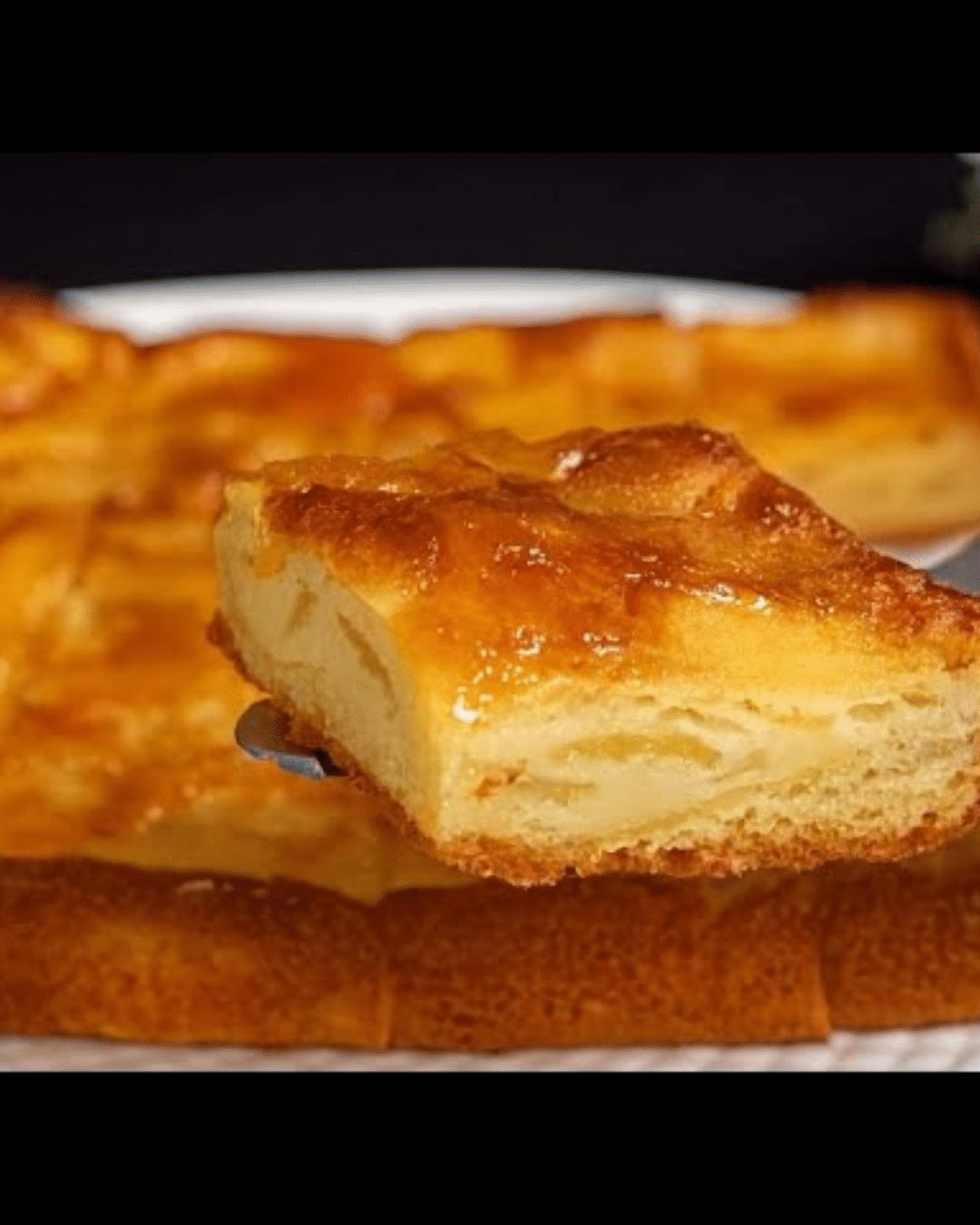
Glazed Apple Cake: Apricot vs. Brown Sugar for Ultimate Moistness
There are few aromas as comforting and inviting as a freshly baked apple cake. It’s a timeless dessert that evokes feelings of warmth, home, and nostalgia. But what truly elevates a good apple cake to an unforgettable one? Often, it's the glaze. Beyond adding a beautiful sheen and extra layer of flavor, the right glaze can play a pivotal role in achieving that coveted "ultimate moistness." When it comes to
glazed apple cake, two contenders frequently emerge in the battle for supremacy: the bright, fruity apricot glaze and the rich, comforting brown sugar glaze. Each offers a unique experience, influencing not just taste but also the very texture and appeal of your bake.
This article delves into the distinct characteristics of both apricot and brown sugar glazes, examining how they contribute to flavor, texture, and, most importantly, the moistness of your apple cake. We'll explore their cultural roots, ideal pairings, and provide practical tips for making your
glazed apple cake a masterpiece, regardless of your glaze preference.
The Timeless Allure of Glazed Apple Cake
A truly great
glazed apple cake is more than just a dessert; it’s a sensory experience. It begins with the simple charm of apples baked into a tender crumb, infused with warmth and often a hint of spice. The magic of apple cake lies in its inherent ability to stay moist for days, thanks to the natural pectin and moisture released by the apples during baking. This creates a soft yet slightly dense texture, punctuated by juicy apple bites. The glaze then acts as the crowning glory, adding sweetness, shine, and an additional layer of moisture that can transform the cake from delicious to absolutely sublime.
For many, it's a no-fuss bake that delivers huge rewards with minimal effort, making it a perfect treat for any occasion, from a quiet afternoon tea to a festive gathering. The universal appeal of a moist, flavorful apple cake is undeniable, but the choice of glaze is where personal preference truly comes into play, setting the stage for either a bright, tangy delight or a deep, caramelized indulgence.
Apricot Glaze: A Touch of European Elegance and Brightness
Imagine a cake with a delicate, almost ethereal sheen, a subtle sweetness that balances the tang of fresh fruit, and a bright, inviting aroma. This is the hallmark of an apricot-glazed apple cake. This glaze, often made from apricot jam or preserves, is a beloved staple in many European kitchens, particularly in Central Europe. It’s a nod to traditional German _Apfelkuchen_ or even the classic Austrian _Sachertorte_, where apricot jam is famously used to achieve a glossy finish and a tart counterpoint to rich chocolate.
The beauty of apricot glaze lies in its simplicity and ability to enhance, rather than overpower, the natural flavors of the apples and any accompanying spices. It forms a thin, slightly sticky layer that not only adds a lovely visual appeal but also helps to seal in the cake's moisture, ensuring each slice remains succulent and fresh for longer. Its bright, fruity notes provide a wonderful contrast to the warmth of cinnamon or nutmeg, creating a more complex and refined flavor profile.
For a
Easy Glazed Apple Cake: Comforting European Flavors for Any Season, the apricot glaze is a quintessential choice. It offers a cleaner, fruit-forward sweetness, making it an excellent option for those who prefer a lighter dessert or want the apple's natural flavor to truly shine. To make an effective apricot glaze, gently warm high-quality apricot jam with a touch of water or lemon juice until it's smooth and pourable, then brush it generously over your cooled or slightly warm apple cake. This simple step turns an already delicious cake into an elegant, comforting treat perfect for any season.
Brown Sugar Glaze: Rustic Comfort and Caramelized Depth
On the other end of the spectrum lies the indulgent, deeply comforting brown sugar glaze. This glaze is a celebration of rich, buttery, caramelized sweetness, often infused with warm spices like cinnamon. It harks back to old-fashioned desserts, the kind grandmas made with love, where generous glazes were a symbol of hearty, homemade goodness. Think of the "sweet hug" from grandma's kitchen or a combination of buttery pound cake and apple pie – that's the essence of a brown sugar
glazed apple cake.
The brown sugar glaze tends to be thicker and more substantial than its apricot counterpart. When poured over a warm cake, it melts and seeps into the crumb, creating a dense, moist, and melt-in-your-mouth texture. The butter in the glaze adds an incredible richness and fat, further enhancing the perceived moistness and creating a truly decadent experience. This glaze is particularly popular with Bundt cakes, where its cascading effect creates stunning visuals and ensures every crevice is filled with sweet, buttery goodness. For inspiration, consider how this glaze elevates a
Bake a Glazed Apple Bundt: Old-Fashioned Comfort & Fall Flavors, making it an undeniable autumn favorite.
The flavor profile is rich, warm, and deeply caramelized, often accentuated by copious amounts of cinnamon and other fall spices that pair exquisitely with apples. It’s a quintessential recipe for the autumn season, though its comforting appeal extends year-round. If you're looking for a dessert that feels like a big, sweet hug, one that promises a substantial, spiced apple chunk in every bite, then a buttery brown sugar glaze is your perfect match.
Beyond the Glaze: Achieving Ultimate Moistness in Your Apple Cake
While the glaze certainly contributes significantly to the perceived moistness and overall appeal of your
glazed apple cake, ultimate moistness begins long before the glaze is even considered. A truly moist cake is a result of careful ingredient selection and precise baking techniques.
Here are key factors to consider:
* **Apple Choice is Crucial:** Not all apples are created equal for baking. For optimal texture and moisture, use a mix of varieties. Crisp, slightly tart apples like Granny Smith, Honeycrisp, Braeburn, or Jonagold hold their shape well and provide pockets of juicy flavor without turning to mush. Sweeter, softer apples like Fuji or Gala can add sweetness but might break down more. A combination ensures both texture and balanced flavor. The natural moisture from the apples themselves is the primary contributor to a cake's moistness.
* **Don't Skimp on Fat:** Butter or oil contributes significantly to a cake's tender crumb and moist texture. Ensure your recipe calls for an adequate amount, and use good quality ingredients. Room temperature butter creams better, creating more air and a lighter crumb.
* **Embrace Moisture Enhancers:** Ingredients like sour cream, Greek yogurt, buttermilk, or even a touch of applesauce can dramatically improve a cake's moistness and tenderness without altering the flavor profile too much. These acidic ingredients also react with leavening agents, creating a lighter texture.
* **The Power of Sugar (Beyond the Glaze):** Sugar not only sweetens but also attracts and holds moisture, keeping your cake fresh longer. Brown sugar, in particular, with its molasses content, contributes a deeper flavor and extra moistness compared to granulated sugar.
* **The Golden Rule: Do NOT Overbake!** This is perhaps the single most critical factor in achieving a moist cake. Overbaking dries out the crumb, making it dense and unappealing. Start checking your cake at the lower end of the recommended baking time. A toothpick inserted into the center should come out clean or with a few moist crumbs attached, but not wet batter. Remember that larger cakes, like Bundt cakes, often require longer baking times, which can vary significantly between ovens. Be patient and trust the toothpick test.
* **Proper Mixing:** Mix wet and dry ingredients until *just* combined. Overmixing develops gluten, leading to a tough, dry cake.
* **Store Correctly:** Once baked and glazed, store your apple cake properly. Covering it tightly at room temperature or in the refrigerator (depending on the glaze and environmental humidity) helps to lock in moisture and keep it fresh for days.
Making Your Choice: Apricot or Brown Sugar?
Ultimately, the choice between apricot and brown sugar glaze for your
glazed apple cake comes down to personal preference and the occasion.
* **For a lighter, brighter experience:** Choose apricot. It’s perfect for springtime gatherings, elegant tea parties, or when you want the pure, crisp flavor of the apples to be the star. It offers a touch of sophistication and a vibrant, tangy sweetness that refreshes the palate.
* **For a rich, comforting indulgence:** Opt for brown sugar. This glaze delivers deep, caramelized notes and a buttery texture that makes it ideal for cozy evenings, fall celebrations, or when you simply crave a hearty, spiced dessert that feels like a warm hug. It’s a truly soul-satisfying choice.
There’s no right or wrong answer, and both glazes promise to elevate your apple cake to new heights of deliciousness. Some adventurous bakers even combine elements, perhaps a subtle layer of apricot jam under a drizzle of brown sugar glaze, or alternating between glazes for different occasions. The "ultimate moistness" is achieved through a combination of a perfectly baked cake and a generous, complementary glaze that either seals in existing moisture or infuses the cake with additional richness.
In conclusion, whether you lean towards the elegant simplicity of apricot or the rustic richness of brown sugar, a
glazed apple cake is a dessert that promises comfort, warmth, and irresistible flavor. Experiment with both, savor the distinct characteristics each brings to the table, and discover your own perfect pairing. Happy baking!